I live near Ocean Shores. Since I was a small child, it has become a ‘deer town’ like other small rural towns become ‘dog towns’. You cannot drive a quarter mile without seeing deer along the shoulders of the road, lurking in yards, eating anything low-lying, especially garden stuff, and you can often see them emerging from hotel and motel common area backyards munching on bread and crackers that tourists get a kick out of feeding them. Frequently, you’ll see their carcasses lining the roads, although city management does a pretty good job of keeping them picked up.
In earlier times, deer were scant–or not so readily seen–in these parts as there was regular hunting all around. Too, there was no Ocean Shores–particularly with a human population that finds it endearing today that the deer abound. Oh, I have lots of deer that come through my place here in Ocean City, five miles separated from Ocean Shores. They’ll often spend entire days just lounging around in my little meadows. But I never feed them, nor get close to them, nor try to make buddies with them. And, they have to jump a five-foot fence to get in here, but I assuredly don’t invite them in, nor do I harass them once they are in.
I’m not so sure that I agree with the tenets of the claims made in this podcast, as the speakers don’t consider other terrain-altering happenstances, like land clearing and building, roads construction, wild land fires, other natural forms of environmental change–including insect damage.
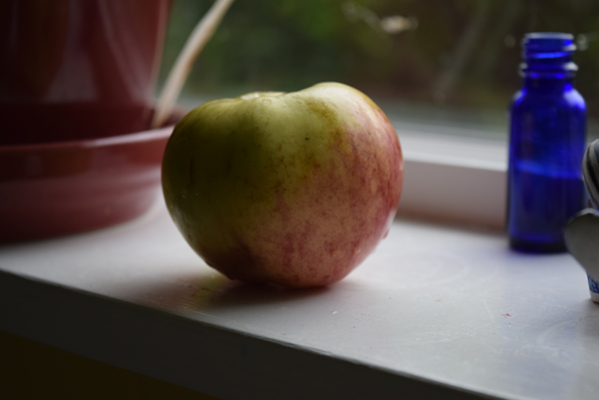
In Ocean Shores, one of the biggest contributors to the deer population are the people who feed them daily, continually, with all manner of things that the deer really shouldn’t have. If you go to the local grocery store, it’s not unusual to hear one of the produce managers fielding questions about ‘deer apples’: “Nah, not right now. So-and-so came in and bought the last hundred pounds. We have some coming in Wednesday though. Come back then,” things like that.
The podcast I’ve selected, suggests another potentially negative impact–particularly to the deer themselves–from overpopulation and overgrazing of the woodland under story: The alteration of wild sound quality due to reduced sound-deflecting and buffering materials. All things being equal, in Ocean Shores it doesn’t seem to be much of a problem as such grazing seems to lend to a robustness of the brush.
 My Little Firmament